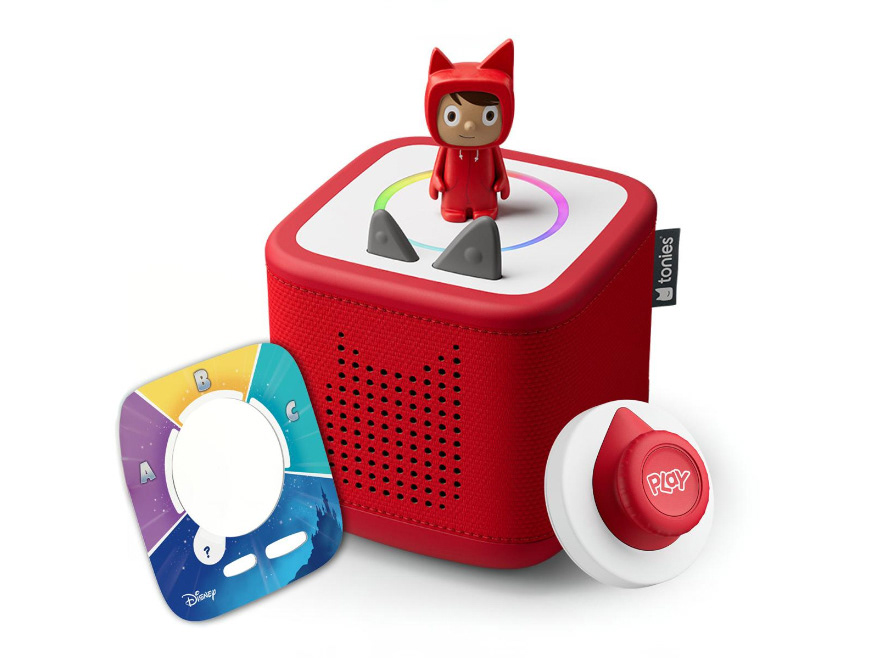
Role: Game Designer
Domains: EdTech, Game UX, Mobile Gaming
Platforms & Tech: Unity for iOS+Android, Stylus Input & Physical Figurines
Impact: Leading the design of launch titles, establishing the core design system for Edurino's ecosystem
Bridging the Tangible and Digital: Frictionless Hybrid Play
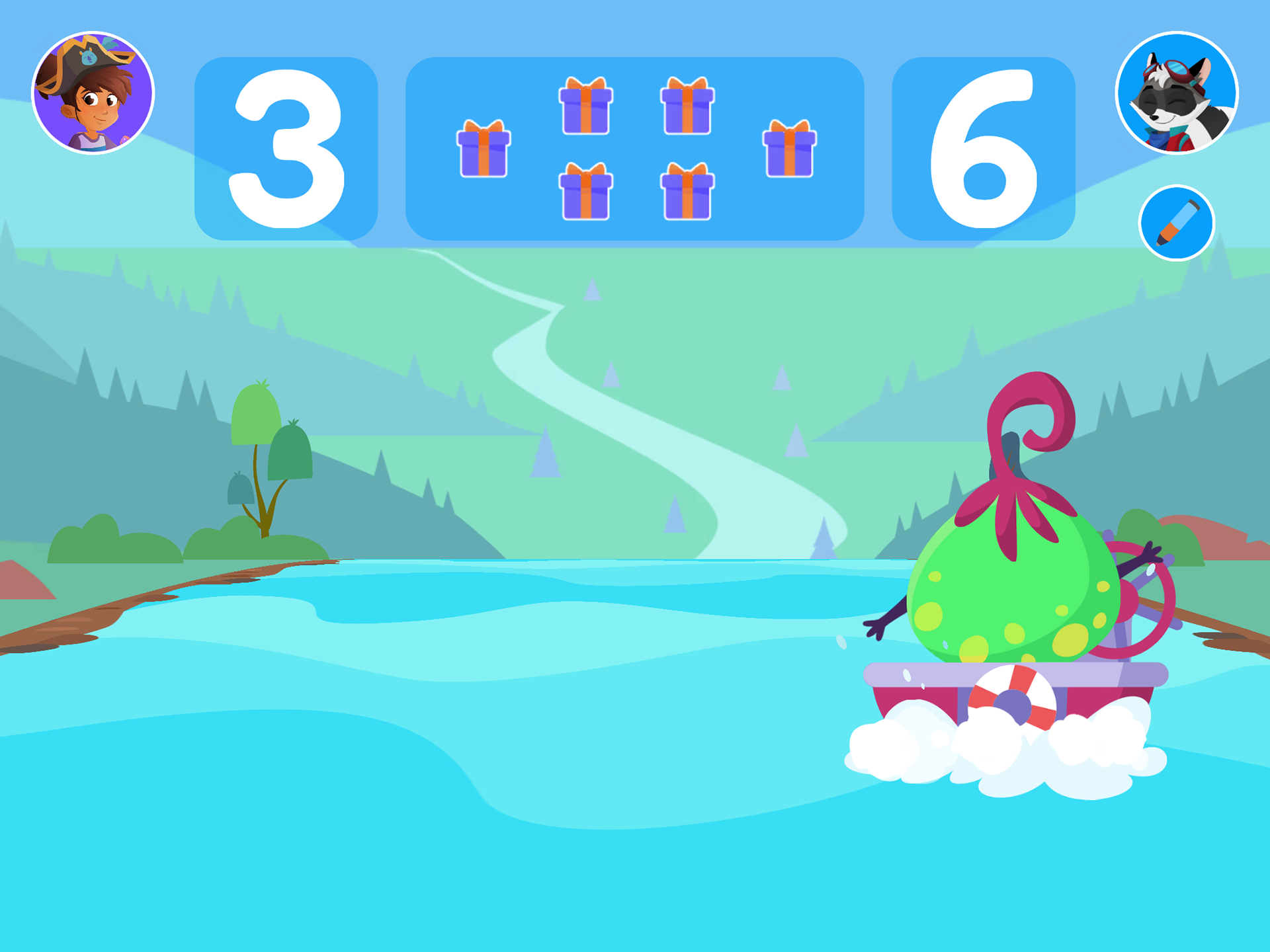
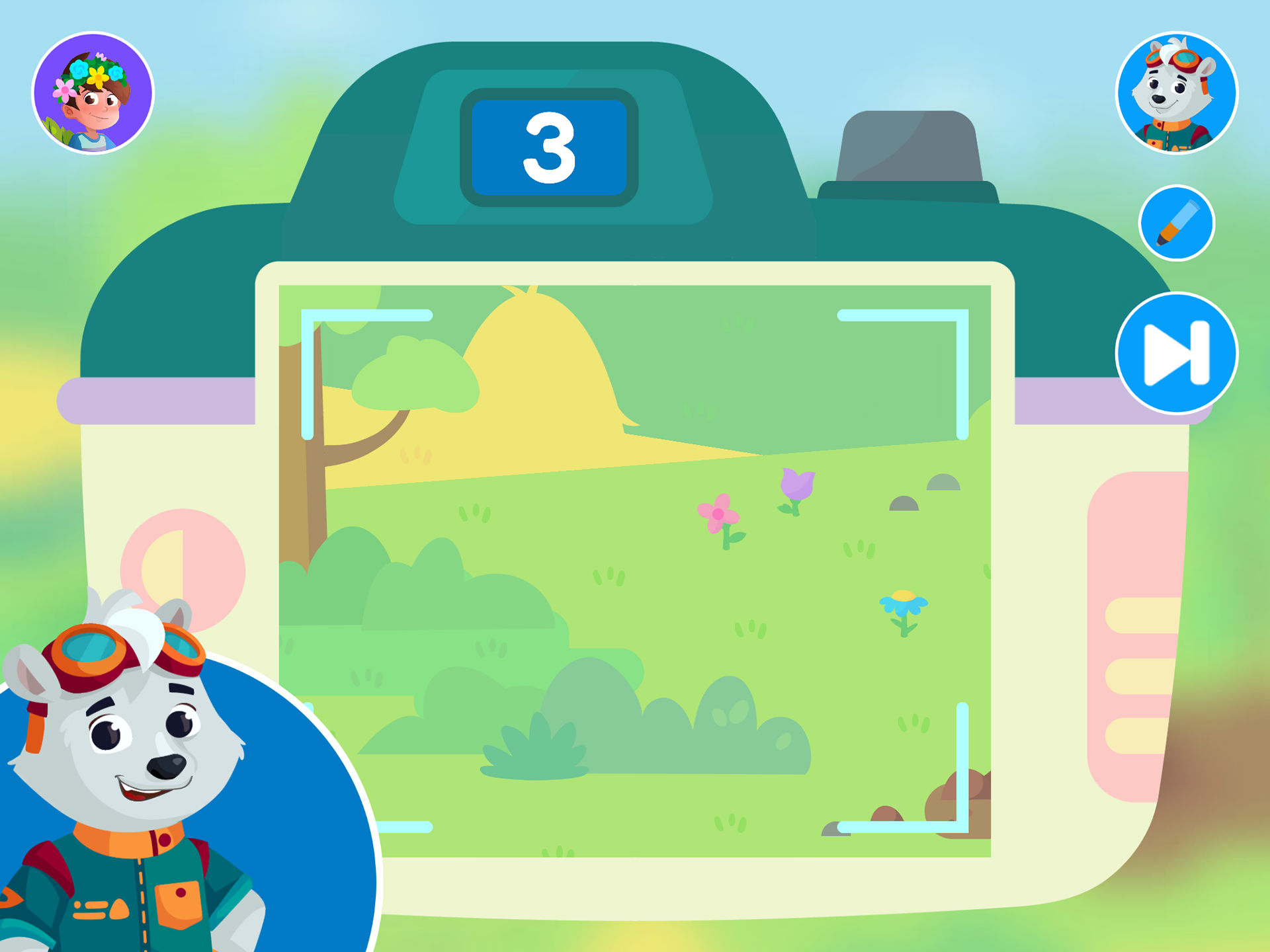
Edurino combines physical collectible figurines and an ergonomic stylus with mobile touchscreen apps to teach preschool skills. The primary design challenge was onboarding children into the ecosystem: how do you guide children who cannot yet read through a multi-step setup—placing a physical toy onto an iPad screen, picking up a specialized stylus, and understanding a digital objective—without cognitive overload or parent intervention?
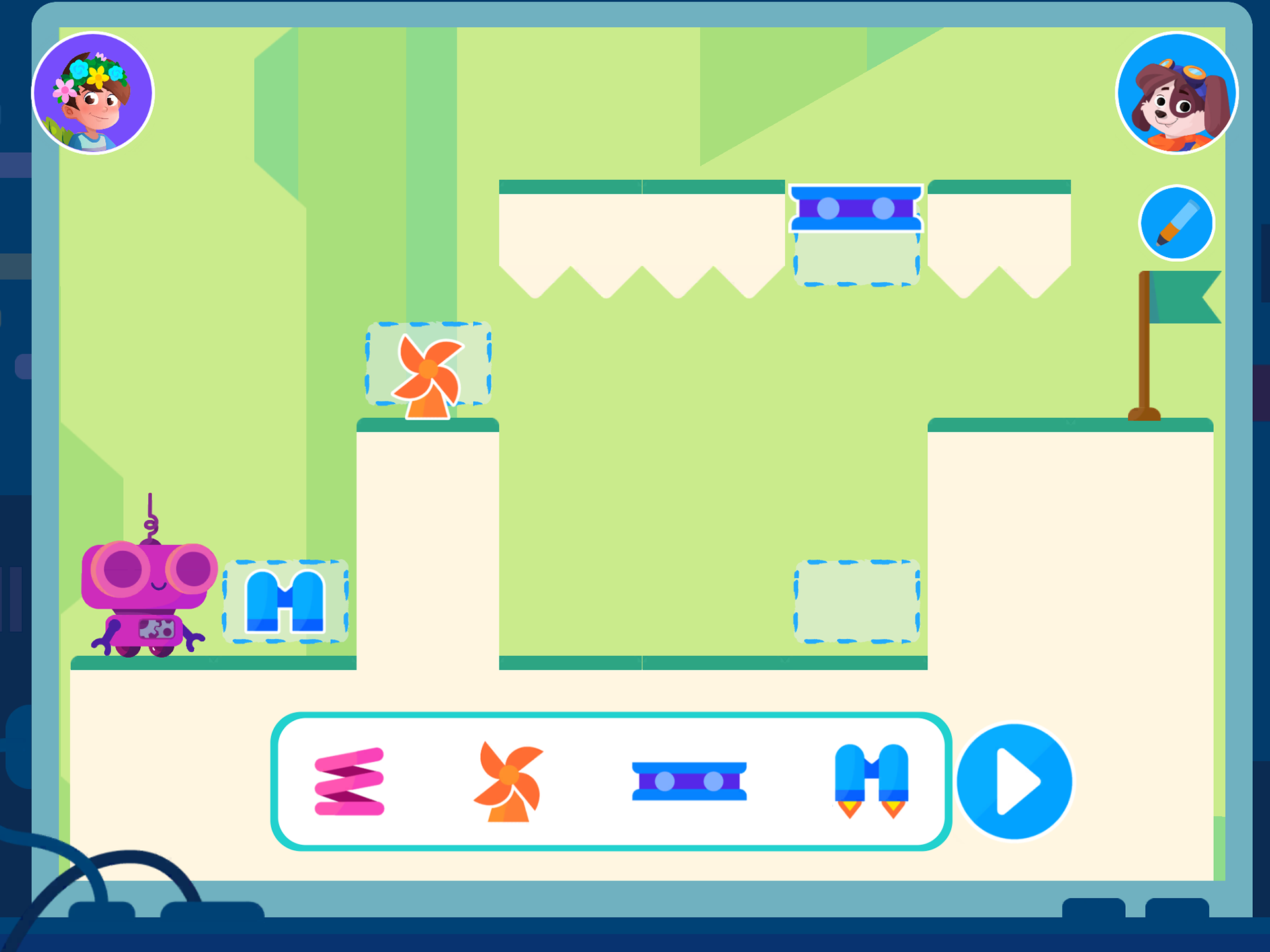
In this minigame kids have to find out the right sequence of items so that the robot Bonki can reach the other side of the screen
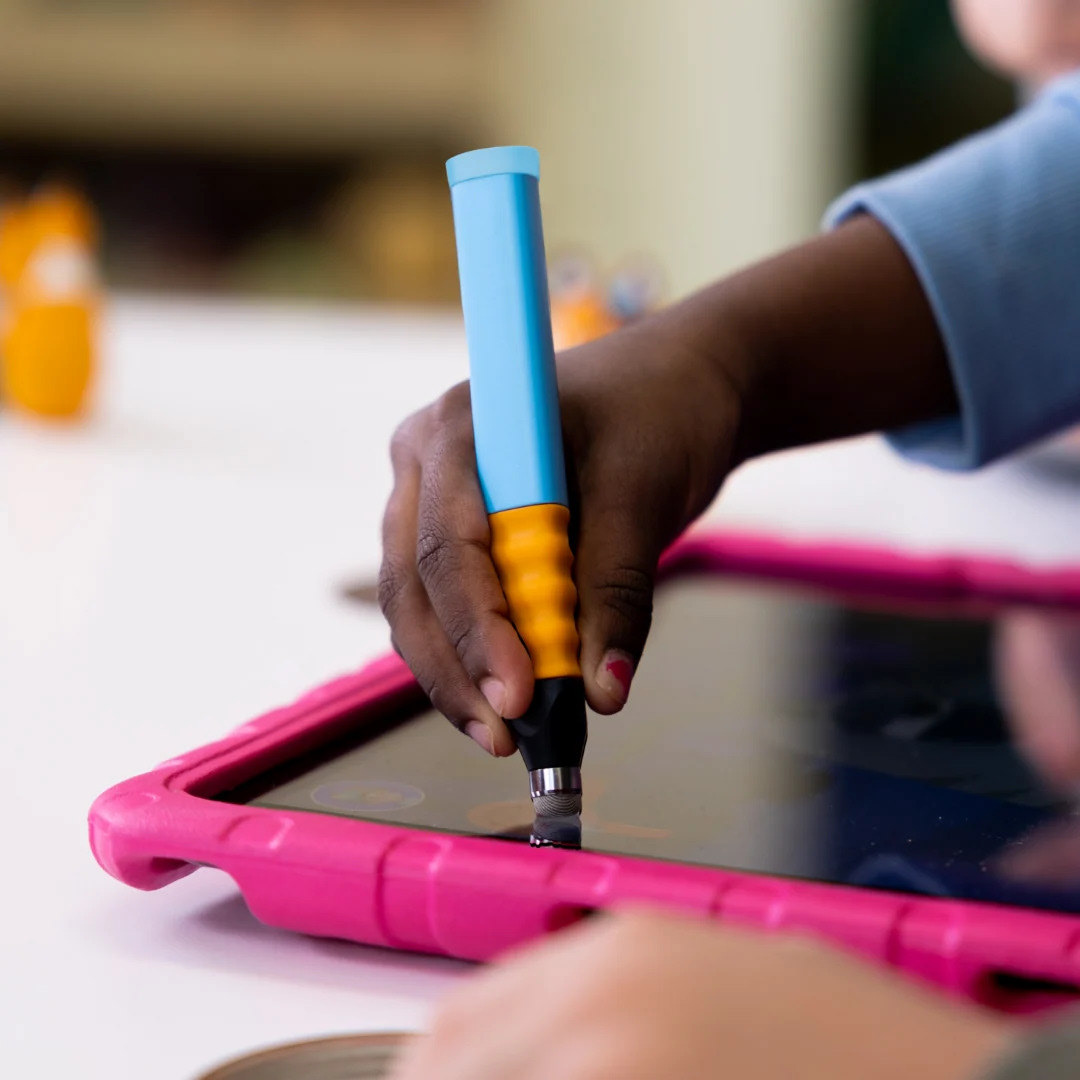
The ergonomic stylus support both left-handed as well as right-handed players.
1. Zero-Text Cognitive Onboarding
Established the worlds and characters that guided kids throughout the games, serving not only onboarding goals, but also speaking to players' intrinsic motivation. This ensures non-reading players achieve autonomy and feel purpose within their first 45 seconds of interaction.
2. The Stylus
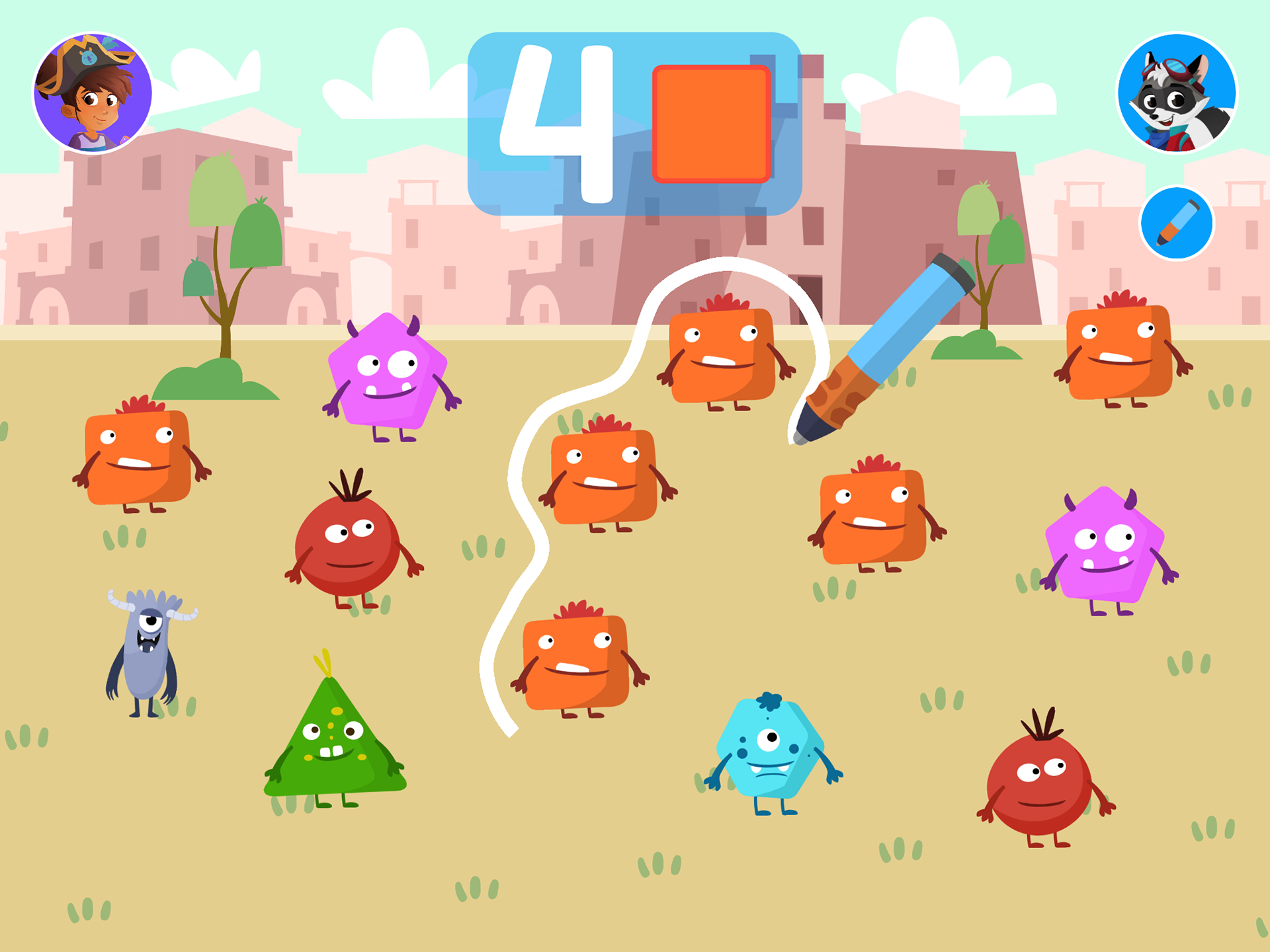
Worked directly with hardware and software engineering constraints to ensure that screen-contact recognition for both figurines and the ergonomic pen felt instantaneous, error-tolerant, and forgiving of accidental palm rests. All games were designed to reward using the stylus, teaching them the correct grip of pens as a per-requisite of learning to write.
3. Pedagogical Game Loops & Micro-Progression
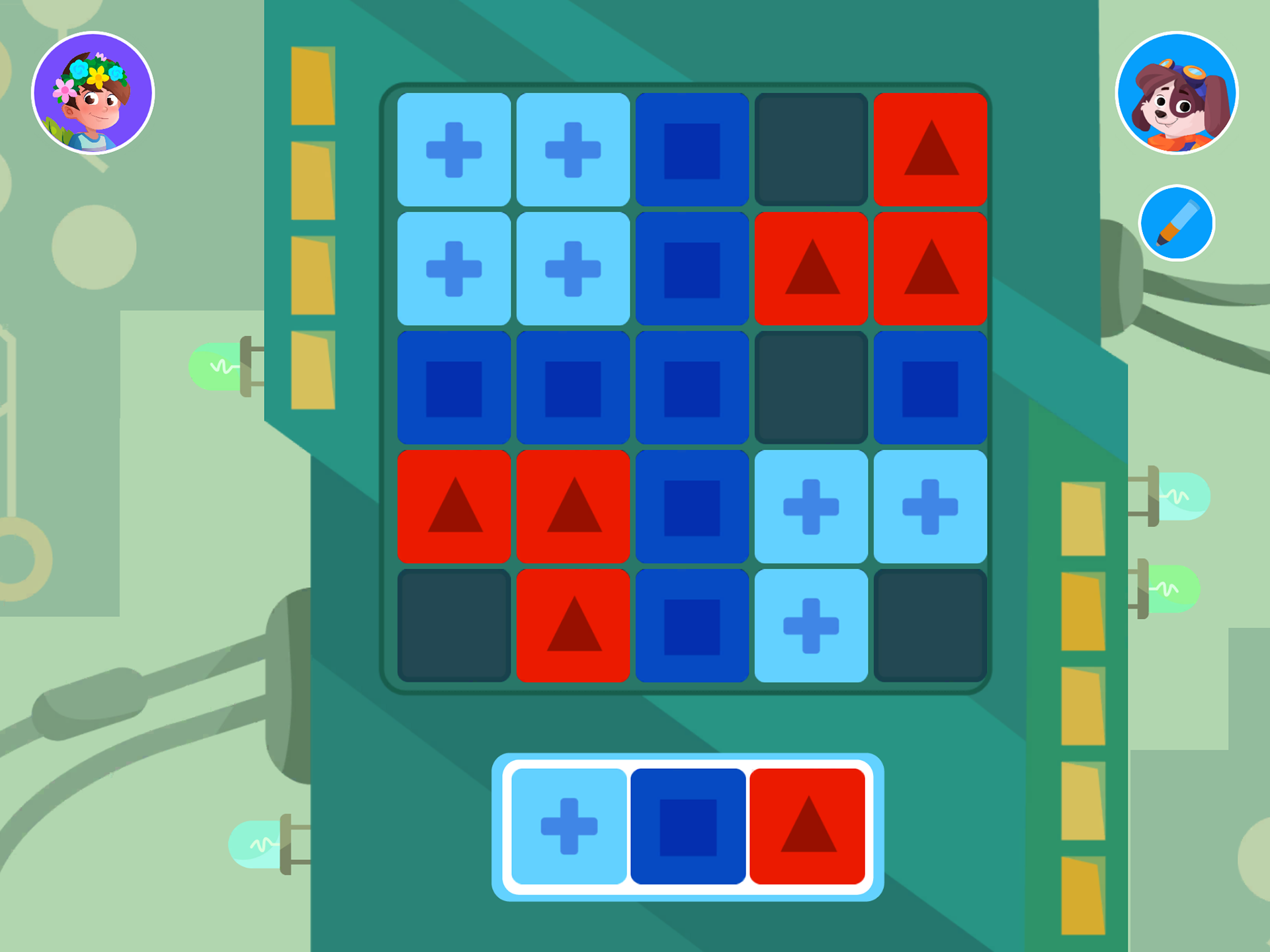
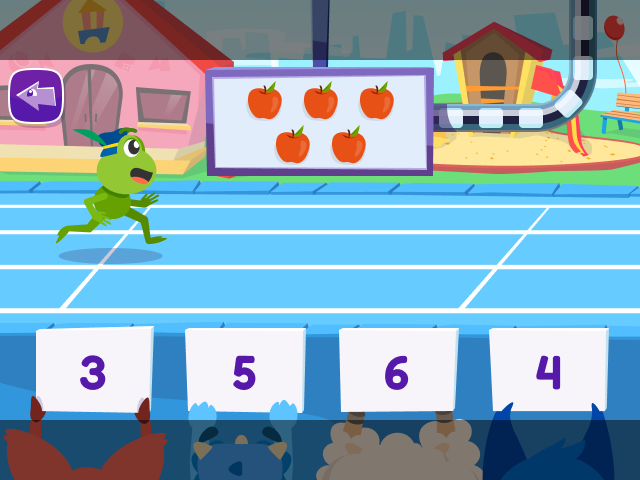
Structured bite-sized, adaptive learning loops tailored to short attention spans. Balancing educational content with intrinsic gameplay reward mechanics, the progression model rewarded exploratory trial-and-error rather than penalizing failure, preserving player agency and emotional resilience.
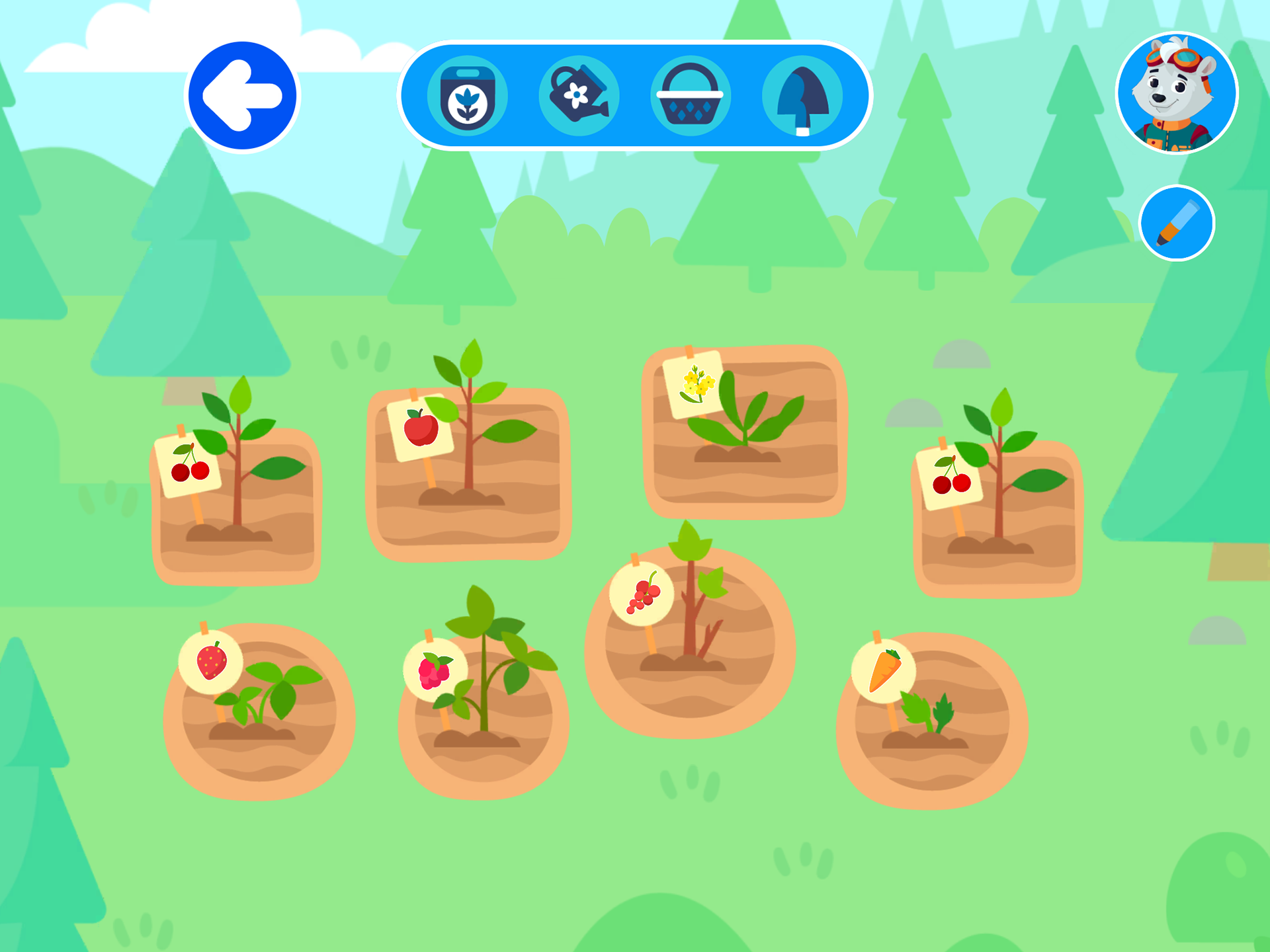
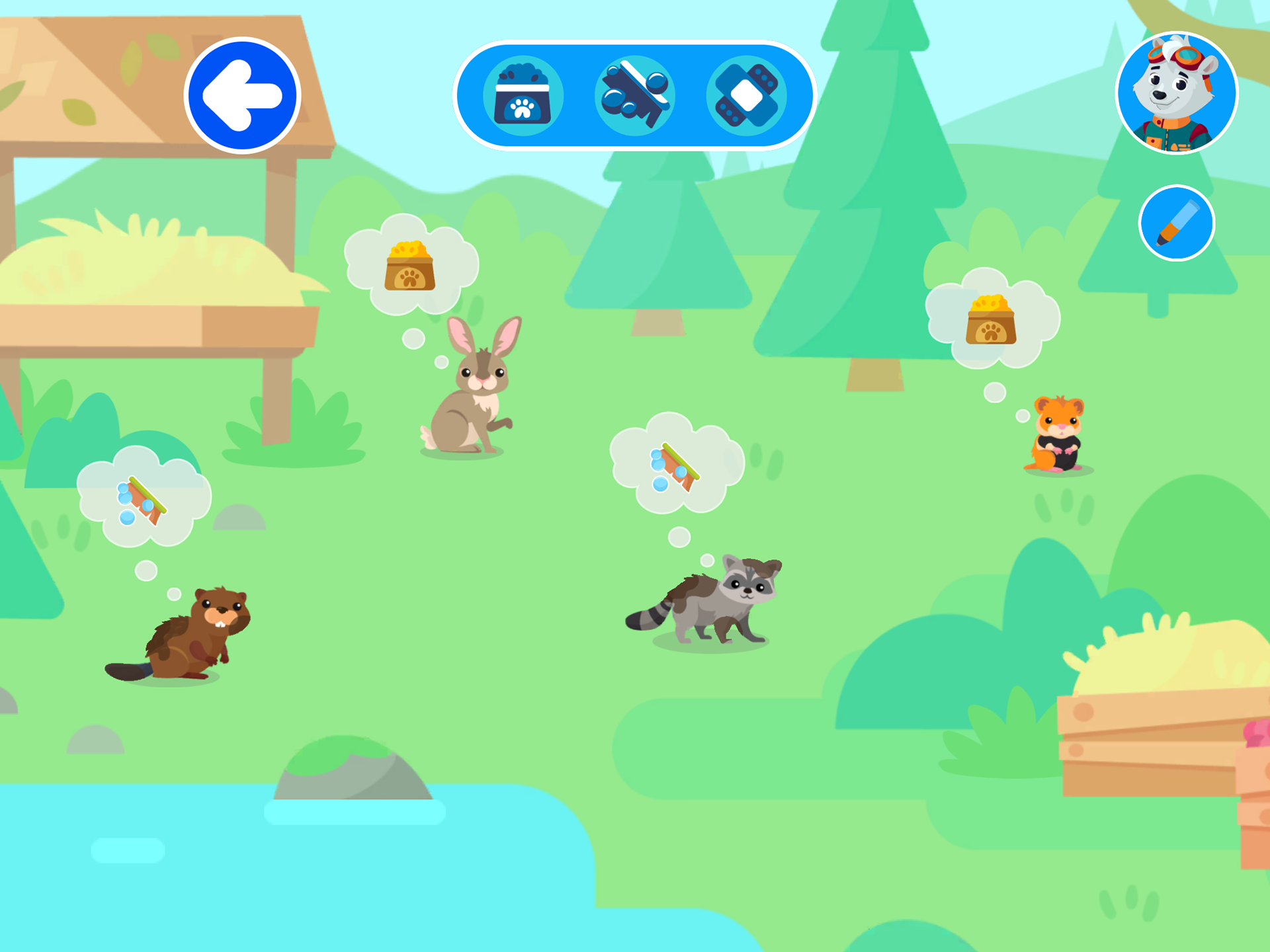
Here kids can plant their own plants and care for them over a longer period of time.

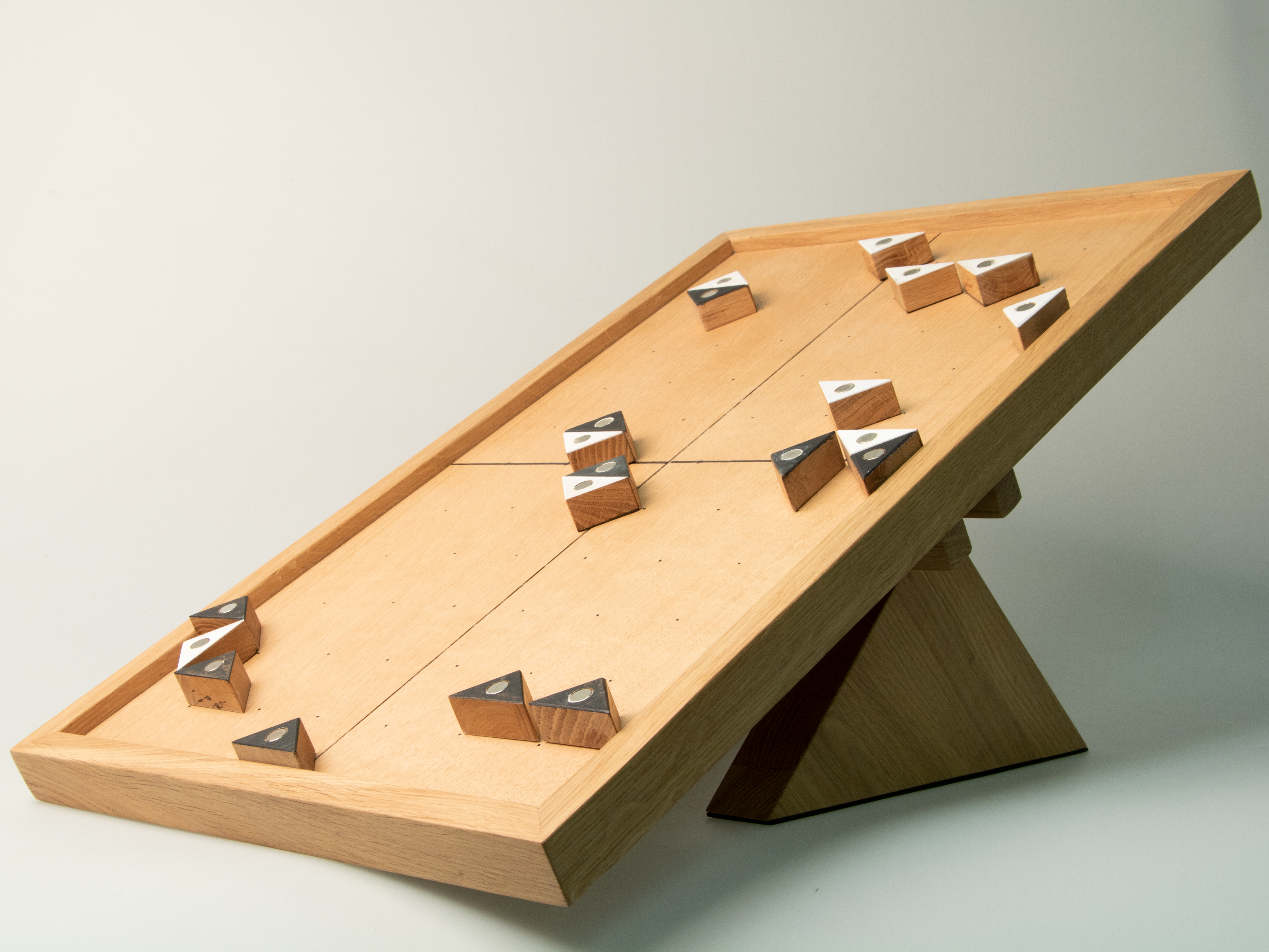
Through clever use of pulleys kids have to ensure that the Little Thinkers can safely cross the gap!
Why This Matters for Commercial Game UX
If an interaction system works seamlessly for a 4-year-old using a physical stylus on a dynamic capacitive screen, it is resilient against virtually any player confusion. Designing for extreme constraints at Edurino refined my core UX philosophy: affordances must be self-evident, input friction must be engineered away, and the first minute of play determines the entire player lifecycle.